
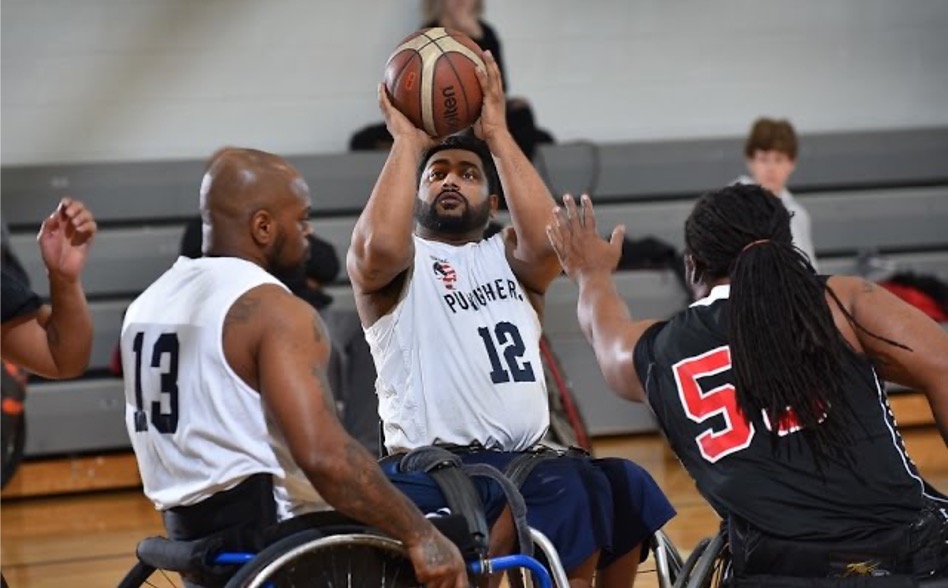
An April 2026 study published in Physical Medicine and Rehabilitation (PM&R), “Incidence of concussion in intercollegiate wheelchair basketball athletes,” examined concussion incidence in collegiate wheelchair basketball across multiple seasons. The study was the first of its kind. Alexander Kowalske and colleagues at the University of Texas tracked men’s and women’s wheelchair basketball teams over four seasons from 2021 to 2024, covering a total of 99 athlete-seasons. Concussions were recorded through both athlete self-report surveys and athletic trainer verified injuries, and compared against concussion rates in National Collegiate Athletic Association (NCAA) basketball players without disabilities.
Key Takeaways
- 12 concussions occurred across four seasons, for a combined rate of 7.60 per 10,000 athlete exposures
- Wheelchair basketball players had an overall concussion rate 1.79 times higher than NCAA basketball players without disabilities, a statistically significant difference
- Rates were elevated for both men (1.99 times higher) and women (1.69 times higher), though those individual comparisons did not reach statistical significance on their own
- This is the first longitudinal concussion surveillance study in athletes with disabilities across multiple seasons
- No tailored concussion prevention or response protocols currently exist for adaptive sports
Why This Gap in Research Matters
Concussion protocols in collegiate sports have been built almost entirely around able-bodied athletes. Wheelchair basketball involves its own collision dynamics: athletes are secured in sport wheelchairs, meaning impacts to the chair transmit force differently than in standing sports. Despite that, adaptive athletes have been largely absent from the surveillance data that shapes clinical guidelines and prevention strategies.
The authors call for improved surveillance, targeted prevention, and protocols designed specifically for adaptive sports. As adaptive athletics continues to grow at the collegiate level, the case for including these athletes in concussion research is now backed by longitudinal data.
Objective diagnostic tools are especially valuable in settings where protocols are still catching up. EyeBOX is the only FDA-cleared objective concussion diagnostic that does not require a pre-injury baseline test. It measures eye-tracking responses to detect subtle changes in brain function after a head injury. Learn more today.