Concussion Diagnosis

Holiday Slopes, Winter Falls, and Brain Safety

Holiday Slopes, Winter Falls, and Brain Safety

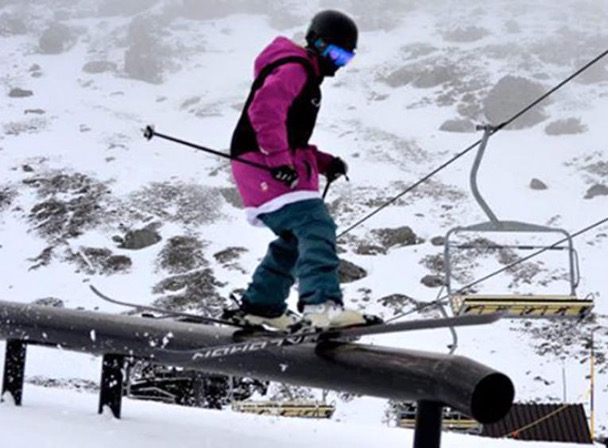
With winter and the holidays approaching, many athletes and families are heading to the mountains for skiing and snowboarding. These sports bring excitement, fresh air, and an exhilarating “high-risk, high-reward” feeling. They also come with a risk of head injuries. A major scientific review article, “An Evidence Based Review: Efficacy of Safety Helmets in Reduction […]

Holiday Slopes, Winter Falls, and Brain Safety Read More »

Examining Balance in College Athletes

Examining Balance in College Athletes: What Contact Sports and Concussion Status Reveal

A few recent studies, as published in PubMed Central and Clinical Journal of Sport Medicine, have shown that balance can be helpful in assessing concussions, especially in athletes. A natural question follows regarding whether athletic capabilities could affect balance performance. Now, a new study in the Clinical Journal of Sport Medicine, “Examining Balance in College

Examining Balance in College Athletes: What Contact Sports and Concussion Status Reveal Read More »

The Hidden Problem in Sports: How Many Concussions Are Going Undiagnosed

The Hidden Problem in Sports: How Many Concussions Are Going Undiagnosed?

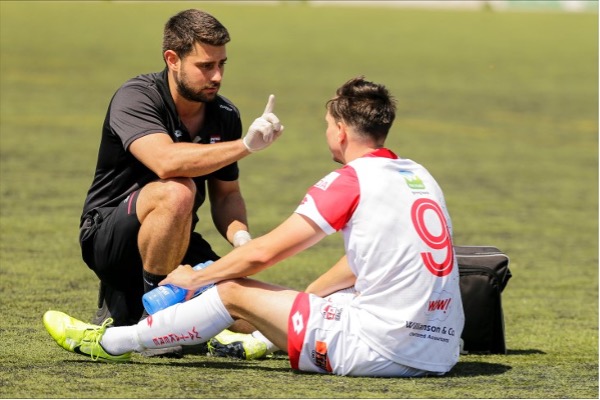
A study by leading researchers at Boston Children’s Hospital and University of Pittsburgh Medical Center entitled, “The Prevalence of Undiagnosed Concussions in Athletes,” published in The Journal of Trauma, revealed almost one-third of athletes who come in for a concussion report having had a previous head impact that caused concussion symptoms, but were never diagnosed. This is

The Hidden Problem in Sports: How Many Concussions Are Going Undiagnosed? Read More »

Fear Avoidance After Concussion: When Overcaution Slows Recovery

Fear Avoidance After Concussion: When Overcaution Slows Recovery

When someone sustains a concussion, clinicians often focus on the brain’s physical healing: managing symptoms, ensuring rest, prescribing gradual return to activity. But recovery isn’t purely biological. Psychological and behavioral factors play a huge role and a new study suggests fear-avoidance, may meaningfully affect how well someone recovers. A recent study, “Fear-Avoidant Adults Have Worse Clinical

Fear Avoidance After Concussion: When Overcaution Slows Recovery Read More »

Predicting Acute Events in Long-term Care Facilities with Machine Learning

Predicting Acute Events in Long-term Care Facilities with Machine Learning

In long-term care (LTC) facilities, residents are often at high risk for health events like falls, infections, or rapid medical decline. These events can lead to hospitalizations, higher healthcare costs, and added stress for families and caregivers. Researchers are turning to machine learning (ML) technology to help them predict these turns in health. ML is an

Predicting Acute Events in Long-term Care Facilities with Machine Learning Read More »

The First Quantitative Report of Head Impacts is Published

The First Quantitative Report of Head Impacts is Published

Water polo is fast, physical, and unforgiving. Between diving for position, rapid direction changes, and high-velocity passes, players experience a lot of contact, some of it hard-hitting. A study published in PLOS ONE, entitled, “Head impacts sustained by male collegiate water polo athletes,” provides the first quantitative data on head impact exposure among male collegiate water

The First Quantitative Report of Head Impacts is Published Read More »

Concussion Prevention for Female Athletes

Concussion Prevention for Female Athletes

A new paper in the British Journal of Sports Medicine entitled “Prevention strategies and modifiable risk factors for concussion: a systematic review and meta-analysis for the Female, woman and girl Athlete Injury prevention (FAIR) consensus” takes a broad look at how sport-related concussions (SRC) in female athletes, a population that has often been overlooked in concussion research, can

Concussion Prevention for Female Athletes Read More »

New Research Examines the Link Between Neck Strength and Concussion Risk

New Research Examines the Link Between Neck Strength and Concussion Risk

An August 2025 study in the Journal of Bodywork and Movement Therapies, “Does strengthening the cervical spine musculature enhance neck strength and reduce sports-related concussions in rugby and football players?” by Cardenas et al. (2025) explored whether targeted cervical spine strengthening can reduce the incidence of sports-related concussions. Neck strength and the implications for concussion

New Research Examines the Link Between Neck Strength and Concussion Risk Read More »

Beyond the Sidelines: Co-Producing Sport-Related Concussion Research

Beyond the Sidelines: Co-Producing Sport-Related Concussion Research

When it comes to sport-related concussions, the best progress is made when multiple stakeholders have a voice: athletes, families, coaches, and clinicians. A new study, “Engaging children, young adults, and other partners to identify priorities for sport related concussion research,”  highlights how “co-production,” i.e., working side by side with those directly affected, grounds concussion research

Beyond the Sidelines: Co-Producing Sport-Related Concussion Research Read More »

When Fit Matters: The Hidden Problem with Mouthguard Concussion Sensors

When Fit Matters: The Hidden Problem with Mouthguard Concussion Sensors

In recent years, instrumented mouthguards – mouthguards fitted with tiny accelerometers – have been introduced as a new way to measure head impacts in sports. The idea sounds simple: every time an athlete takes a hit, the mouthguard tracks how the head moves giving trainers and doctors more information about concussion risk. However, a new study

When Fit Matters: The Hidden Problem with Mouthguard Concussion Sensors Read More »

Scroll to Top