
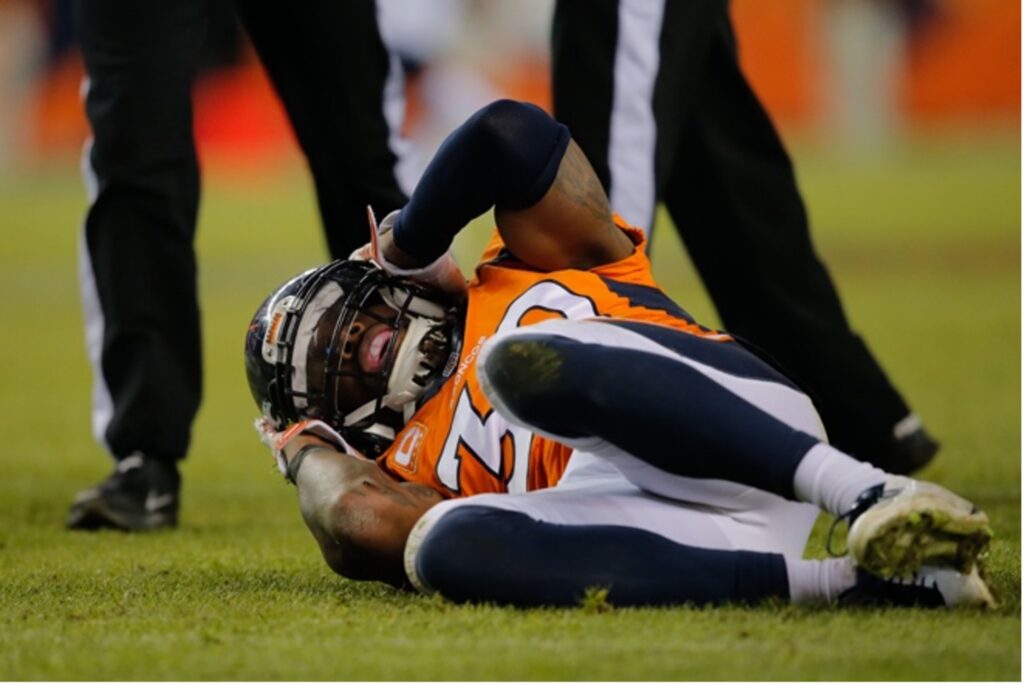
Athletic trainers and coaches know concussion is a serious concern. A 2025 systematic review and meta-analysis, “The Incidence of Sports-Related Concussion in Children and Adolescents,” puts the risk into sharper focus – and the sport-by-sport breakdown has direct implications for how we may want to prioritize monitoring and response protocols.
Researchers analyzed 116 prospective studies covering more than 3 million youth athletes under age 18, drawing from databases searched through September 2024. The pooled concussion incidence across all sports was 1.41 per 1,000 athlete exposures (AEs).
That number sounds small until you consider how many exposures accumulate across a full season of practices and competitions.
Which Sports Carry the Highest Risk?
Not all sports are equal. The study found that collision sports significantly outpaced all others in concussion incidence:
- Taekwondo, rugby, and ice hockey had the highest rates per 1,000 AEs.
- Rugby topped the list when measured per 1,000 player hours.
- American football remained among the highest-risk sports overall.
The researchers appropriately concluded collision sports should be the primary focus for concussion prevention interventions, including equipment review and rules changes.
What This Means on the Sideline
The study’s findings reinforce something athletic trainers see every day – most concussions happen in competition, not practice. Sideline recognition and rapid assessment aren’t just best practice; they’re the primary line of defense.
The challenge is that standard symptom-based screening has real limits. Athletes under-report. Adrenaline masks symptoms in the moment. And the classic signs – headache, dizziness, feeling “foggy” – don’t always present immediately or obviously.
Where EyeBOX Fits In
This is where objective tools change the equation. EyeBOX measures how the eyes move and coordinate – neurological functions that concussion disrupts and that athletes cannot easily mask or override. It delivers an objective score in under four minutes, with no baseline test required. For clinicians and athletic trainers managing high-volume, high-contact programs, that means a fast, reliable data point to support clinical judgment – especially when an athlete insists they’re fine.