
When someone gets a concussion, the signs aren’t always easy to see. Balance, coordination, and eye movements can all change in ways that might not be obvious to the person or their coach. New research now shows that studying how people move and react can give doctors more reliable ways to understand concussion recovery. Below, we summarize two recent studies that explore balance and exercise tolerance and explain how EyeBOX adds another level of insight.
A Canadian study titled, “Exercise intolerance and time to medical clearance to return to sport following sport-related concussion in adolescents,” in BMJ Open Sport & Exercise Medicine found that adolescents who couldn’t tolerate exercise after a concussion took longer to be cleared to return to sport. Females in particular had a higher risk of exercise intolerance and a concomitant longer time to recover from concussion.
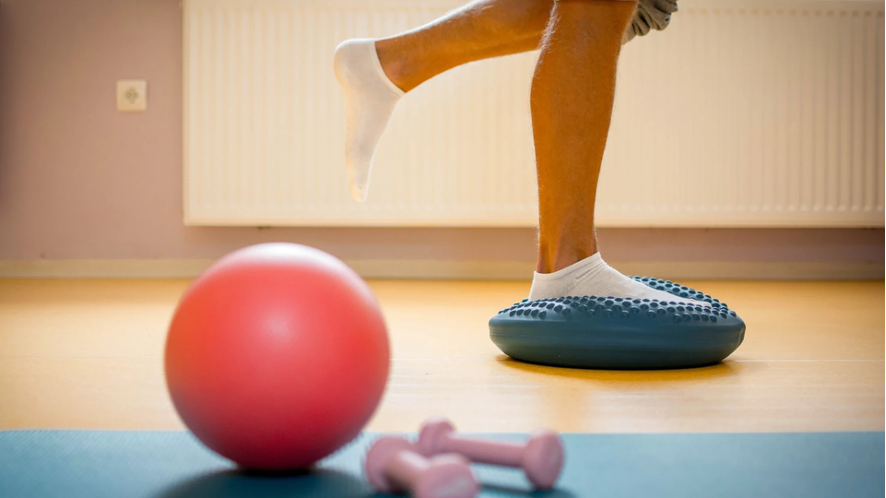
Another study, “Exploring exercise intolerance in adult patients with persistent post-concussion symptoms after mild traumatic brain injury,” in the Journal of Rehabilitation Medicine showed that even when concussion symptoms appeared to be resolved, some athletes still have subtle balance problems. Researchers found that athletes who were concussed moved more side‑to‑side and front‑to‑back while standing still — showing that small changes in balance can linger after recovery.
The “Buffalo Concussion Treadmill Test,” by John J Leddy, Mohammad N Haider, Barry S Willer, is well established, and measures how much activity a person can handle after a concussion before symptoms return, based on exercise intolerance.
How EyeBOX can help
EyeBOX helps doctors see what can’t be seen with the naked eye. It measures eye movements and balance patterns to give an objective look at how the brain is functioning.
Concussions affect more than just how someone feels. They can influence balance, movement, and eye coordination. By combining balance testing, exercise tolerance, and EyeBOX’s eye‑tracking insights, clinicians can understand recovery in a more complete way.