
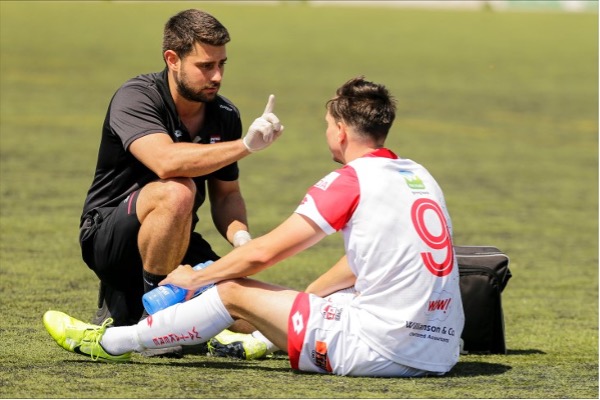
A study by leading researchers at Boston Children’s Hospital and University of Pittsburgh Medical Center entitled, “The Prevalence of Undiagnosed Concussions in Athletes,” published in The Journal of Trauma, revealed almost one-third of athletes who come in for a concussion report having had a previous head impact that caused concussion symptoms, but were never diagnosed.
This is a chilling statistic. It means a large number of athletes are playing, practicing, and at risk of getting a second head hit before their brain has healed. A second concussion increases the risk for longer recovery and more severe symptoms.
Researchers in the study, surveyed 486 athletes (average age 15.5 years) at two concussion clinics. They asked if the athlete had ever been hit in the head, experienced symptoms like headache, nausea, or dizziness, but not received a prior concussion diagnosis. 30.5% said yes, meaning nearly one in three had a missed concussion.
Key Findings
- A large portion of concussions may be missed: Nearly 1 in 3 athletes had a head injury that caused concussion symptoms but was never diagnosed in this study of adolescent athletes.
- Missed concussions may increase the severity of a second concussion : Athletes with a previous potentially undiagnosed concussion, had higher symptom scores and increased likelihood of loss of consciousness in a subsequent concussion.
- Symptom checklists alone cannot catch every injury: Athletes may under-report symptoms, and memory-based recall may be unreliable.
How EyeBOX Helps Prevent Missed Concussions
The core issues highlighted in this study are that athletes may need to be educated regarding concussion symptoms and the risk of missed diagnosis, and that traditional concussion diagnosis depends heavily on self-reported symptoms and subjective testing. Athletes may underestimate or hide symptoms to stay in the game. EyeBOX is an objective, baseline-free, under 4-minute assessment that measures how the eyes move. EyeBOX does not rely on symptoms or pre-injury baselines. EyeBOX may be a powerful tool in the healthcare providers toolbox for identifying injuries early, ultimately reducing the risk of a second, more severe, injury.