Concussion in Sports

January Winter Sports Awareness and How to stay safe

January Winter Sports Awareness and How to stay safe

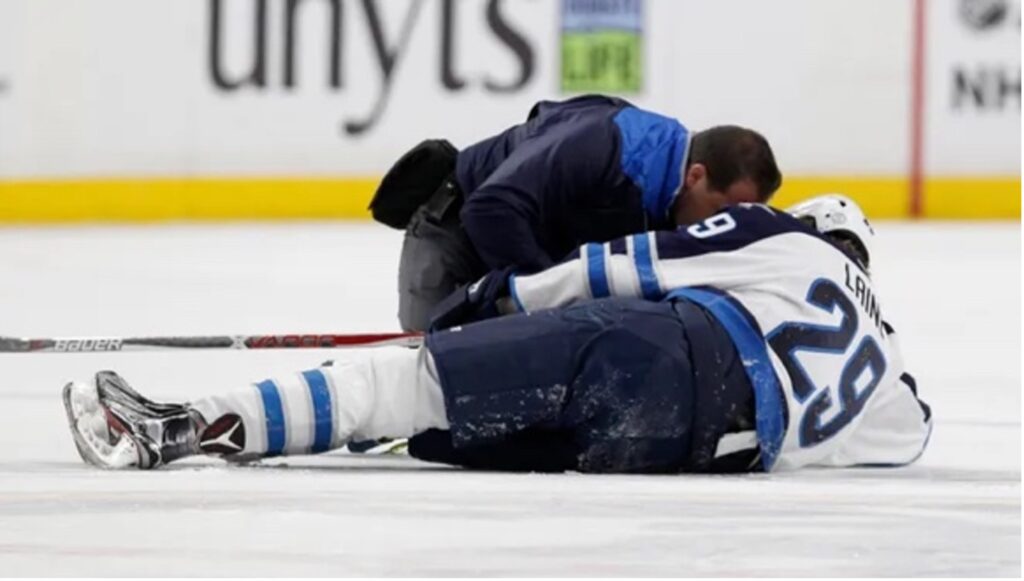
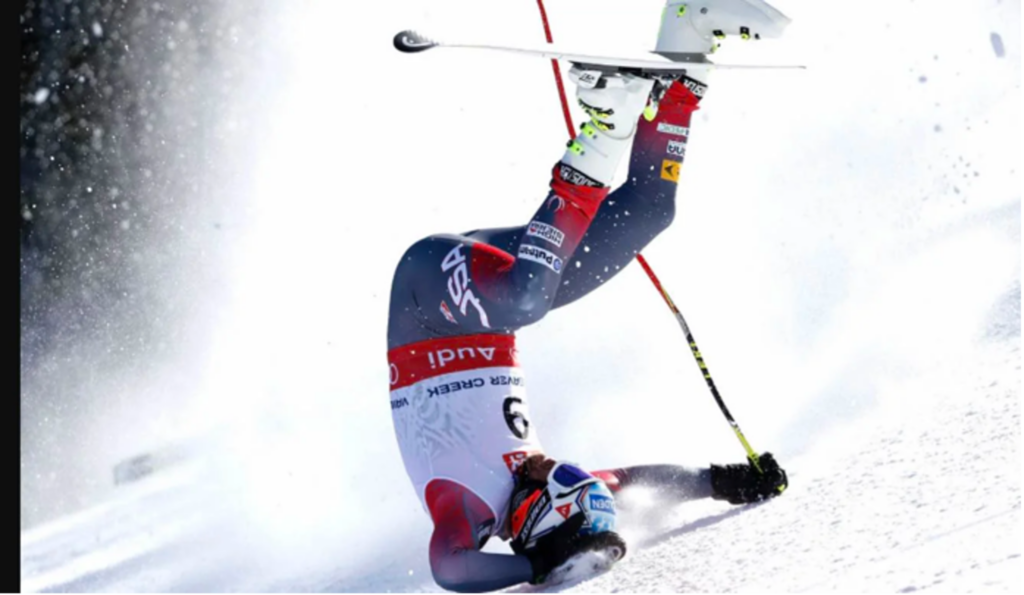
January is National Winter Sports TBI Awareness Month, and we are hoping all our athletes remain safe in their sport. A press release by the Nebraska Department of Health and Human Services, “January is National Winter Sports TBI Awareness Month,” highlights an important seasonal reality; winter sports come with the risk of TBI, including concussions. […]

January Winter Sports Awareness and How to stay safe Read More »
Avoid Traumatic Brain Injury While Playing Winter Sports

Avoid Traumatic Brain Injury While Playing Winter Sports

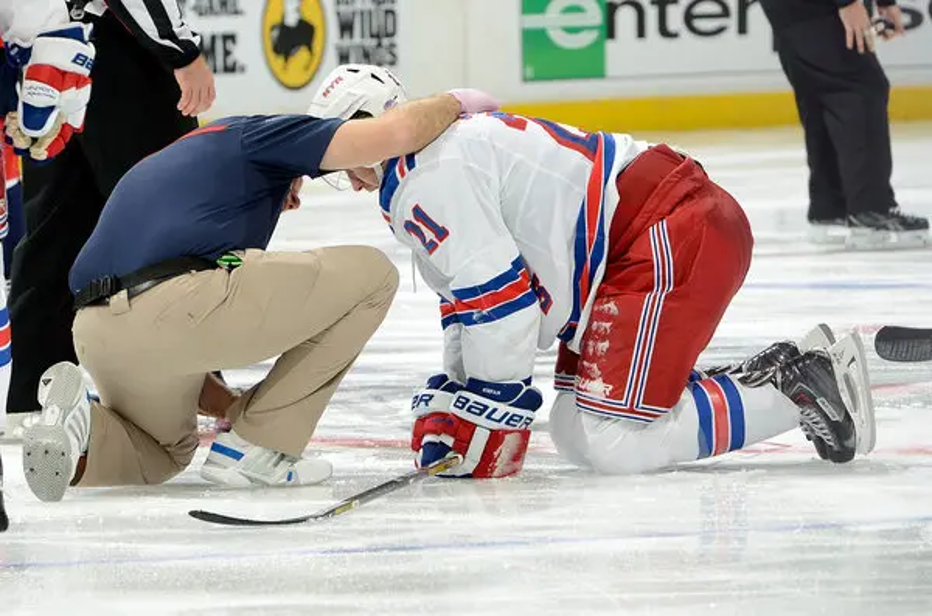
Popular winter sports like skiing, snowboarding, sledding, ice hockey, snowmobiling and more can put athletes at risk for concussions. The article, “Avoid Traumatic Brain Injury While Playing Winter Sports,” by Brain & Life dives deeper into these injuries to the head and the effects on athletes. The article explains these injuries happen when the brain

Avoid Traumatic Brain Injury While Playing Winter Sports Read More »

Repeated Concussions in Contact Sports: Why Early Detection Matters This Winter

Repeated Concussions in Contact Sports: Why Early Detection Matters This Winter

A recent review “The Long-Term Effects of Repeated Concussions in Contact Sports,” by Riaz Ahmed (Premier Journal of Science, 2025), found that repeated concussions can have lasting effects on memory, attention, and emotional health. The review highlights that multiple injuries increase the risk of cognitive decline and even neurodegenerative disease over time. This research is especially

Repeated Concussions in Contact Sports: Why Early Detection Matters This Winter Read More »

Repeated Head Impacts and Brain Function: Staying Safe for 2026 Sports Seasons

Repeated Head Impacts and Brain Function: Staying Safe for 2026 Sports Seasons

A recent article “What Happens When a University Football Player Takes Repeated Head Impacts?” by Michelle Werdann, University of Nevada highlights a growing concern for athletes: the effect of repeated head impacts on brain function, even when no concussion is diagnosed. The study referred to in this article shows that subtle changes in eye movement,

Repeated Head Impacts and Brain Function: Staying Safe for 2026 Sports Seasons Read More »

Examining Balance in College Athletes

Examining Balance in College Athletes: What Contact Sports and Concussion Status Reveal

A few recent studies, as published in PubMed Central and Clinical Journal of Sport Medicine, have shown that balance can be helpful in assessing concussions, especially in athletes. A natural question follows regarding whether athletic capabilities could affect balance performance. Now, a new study in the Clinical Journal of Sport Medicine, “Examining Balance in College

Examining Balance in College Athletes: What Contact Sports and Concussion Status Reveal Read More »

The Hidden Problem in Sports: How Many Concussions Are Going Undiagnosed

The Hidden Problem in Sports: How Many Concussions Are Going Undiagnosed?

A study by leading researchers at Boston Children’s Hospital and University of Pittsburgh Medical Center entitled, “The Prevalence of Undiagnosed Concussions in Athletes,” published in The Journal of Trauma, revealed almost one-third of athletes who come in for a concussion report having had a previous head impact that caused concussion symptoms, but were never diagnosed. This is

The Hidden Problem in Sports: How Many Concussions Are Going Undiagnosed? Read More »

How Exercise Tolerance, Balance and Eye Tracking Can Reveal More About Concussions

How Exercise Tolerance, Balance and Eye Tracking Can Reveal More About Concussions

When someone gets a concussion, the signs aren’t always easy to see. Balance, coordination, and eye movements can all change in ways that might not be obvious to the person or their coach. New research now shows that studying how people move and react can give doctors more reliable ways to understand concussion recovery. Below,

How Exercise Tolerance, Balance and Eye Tracking Can Reveal More About Concussions Read More »

Concussion Recovery: How Early Aerobic Exercise Speeds Healing

Concussion Recovery: How Early Aerobic Exercise Speeds Healing

When you think of recovery after a concussion, you might picture dark rooms, long naps, and avoiding screens. However, the latest science says that the path to healing may include getting moving sooner, with safe aerobic exercise.  An October 2025 study published in the American Journal of Physical Medicine & Rehabilitation, “Promoting Early Aerobic Exercise Initiation

Concussion Recovery: How Early Aerobic Exercise Speeds Healing Read More »

The First Quantitative Report of Head Impacts is Published

The First Quantitative Report of Head Impacts is Published

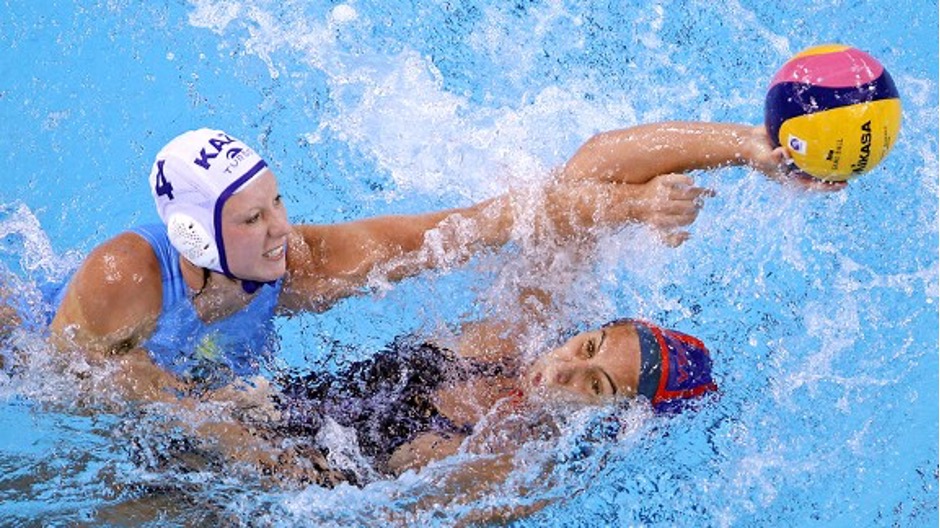
Water polo is fast, physical, and unforgiving. Between diving for position, rapid direction changes, and high-velocity passes, players experience a lot of contact, some of it hard-hitting. A study published in PLOS ONE, entitled, “Head impacts sustained by male collegiate water polo athletes,” provides the first quantitative data on head impact exposure among male collegiate water

The First Quantitative Report of Head Impacts is Published Read More »

Concussion Prevention for Female Athletes

Concussion Prevention for Female Athletes

A new paper in the British Journal of Sports Medicine entitled “Prevention strategies and modifiable risk factors for concussion: a systematic review and meta-analysis for the Female, woman and girl Athlete Injury prevention (FAIR) consensus” takes a broad look at how sport-related concussions (SRC) in female athletes, a population that has often been overlooked in concussion research, can

Concussion Prevention for Female Athletes Read More »

Scroll to Top